
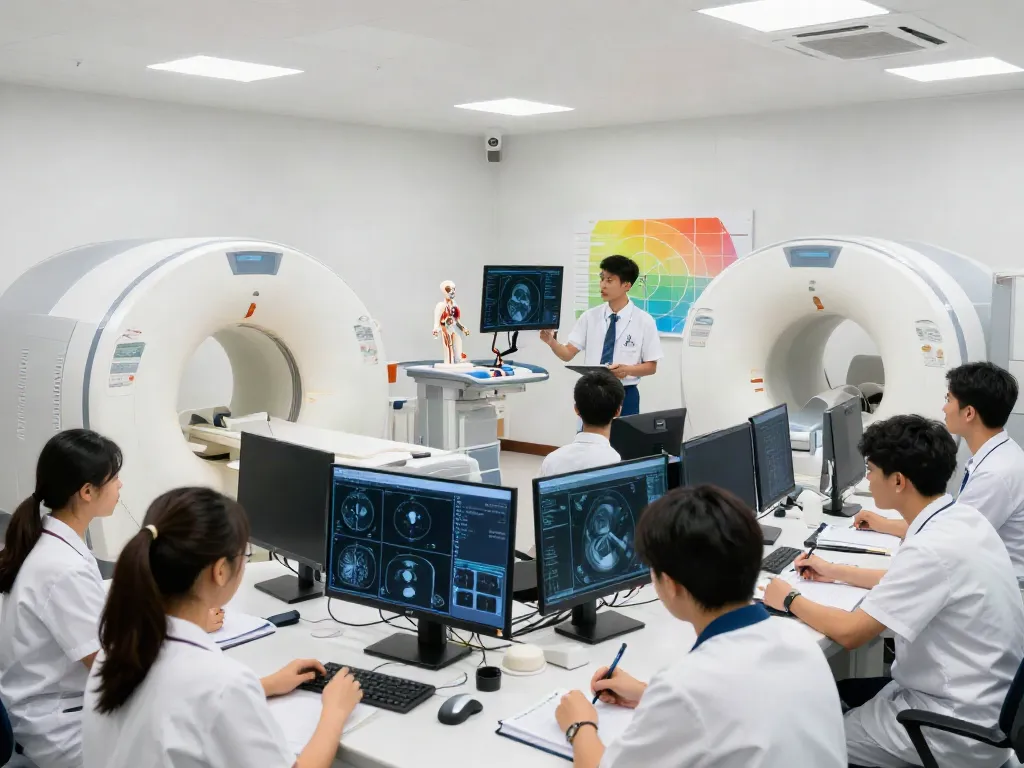
Understanding the Fundamentals of Radiology
Radiology is a pivotal branch of medicine that utilizes imaging technologies to visualize the inner workings of the human body. With advancements in medical imaging, patients and healthcare professionals alike benefit from enhanced diagnostic capabilities. In this comprehensive guide, we will delve into the essentials of radiology, including the various imaging modalities such as CT scans, X-rays, and MRIs. For those seeking to expand their knowledge, https://radiologyexplained.com offers a wealth of educational resources dedicated to radiology.
What is Radiology?
Radiology is the medical discipline that employs various imaging techniques to diagnose and treat diseases. Through the use of specialized technology, radiologists can observe and interpret images of the internal structures of the body, assisting clinicians in making informed decisions regarding patient care. The key imaging modalities include X-rays, CT scans, MRIs, and ultrasounds, each serving distinct purposes in diagnosis and treatment.
The Importance of Imaging in Medicine
Imaging plays an indispensable role in modern medicine. It allows healthcare professionals to detect abnormalities, monitor disease progression, and assess the effectiveness of treatment plans. The precise images obtained through these technologies facilitate early interventions, which can significantly improve patient outcomes. Furthermore, the non-invasive nature of most imaging studies minimizes discomfort and risk for patients, making it a preferred method for diagnosis.
Overview of CT Scan, X-Ray, and MRI Technologies
Each imaging modality has its unique applications, strengths, and limitations. Understanding these differences is crucial for both healthcare providers and patients. CT scans provide detailed cross-sectional images, X-rays are primarily used for skeletal imaging, while MRIs excel in visualizing soft tissues. This knowledge empowers patients to engage meaningfully in their healthcare discussions.
Comparing Imaging Techniques
CT Scan vs. X-Ray: Key Differences
While both CT scans and X-rays utilize radiation to create images, they differ significantly in their capabilities. X-rays primarily capture images of bones and dense structures, offering a two-dimensional view. CT scans, on the other hand, generate three-dimensional images and can reveal intricate details of internal organs, blood vessels, and soft tissues. This advanced capability makes CT scans particularly valuable in emergency medicine and trauma cases.
Understanding MRI Technology
Magnetic Resonance Imaging (MRI) uses strong magnetic fields and radio waves to produce detailed images of organs and tissues. Unlike CT scans and X-rays, MRIs do not expose patients to ionizing radiation, making them a safer option for repetitive imaging. MRIs are especially useful for evaluating the brain, spinal cord, and joints, where soft tissue contrast is paramount.
Benefits and Limitations of Each Modality
- CT Scan: Fast and detailed imaging; however, it involves exposure to radiation.
- X-Ray: Quick and cost-effective for skeletal imaging, but limited in soft tissue visualization.
- MRI: Excellent for soft tissue imaging without radiation exposure, but typically more time-consuming and expensive.
Radiology Applications in Diagnosis
Common Conditions Diagnosed with Imaging
Radiology is essential in diagnosing a plethora of medical conditions. Common applications include detecting fractures through X-rays, identifying tumors via CT scans, and evaluating brain conditions with MRIs. Additionally, radiology aids in diagnosing conditions such as pneumonia, cardiovascular diseases, and soft tissue injuries, significantly impacting treatment strategies.
How Imaging Techniques Aid in Treatment Planning
Radiology not only assists in diagnosing diseases but also plays a critical role in treatment planning. By providing precise images of affected organs and tissues, radiologists help oncologists devise appropriate treatment plans for cancer patients, guiding surgical interventions, or pinpointing the location of tumors for targeted therapies. This collaboration enhances the overall efficiency of patient care.
Case Studies of Effective Radiological Interventions
Several case studies illustrate the profound impact of radiological interventions. For instance, in emergency medicine, rapid CT scans can identify life-threatening conditions such as internal bleeding or organ damage, allowing for immediate surgical intervention. Furthermore, MRIs have revolutionized the management of neurological conditions, enabling timely treatments that can prevent further complications.
Best Practices for Effective Radiological Assessment
Preparing Patients for Imaging Procedures
Proper preparation of patients before imaging ensures optimal results and patient comfort. This may include explaining the procedure, addressing any concerns about exposure to radiation, and instructing patients on dietary restrictions prior to scans. Clear communication fosters a cooperative environment and helps reduce anxiety associated with imaging procedures.
Interpreting Radiological Results Accurately
Accurate interpretation of imaging results is vital for effective diagnosis and treatment. Radiologists undergo extensive training to analyze images meticulously, identifying even the slightest abnormalities. Continuous education and staying updated with the latest imaging advancements contribute to improved diagnostic accuracy and patient outcomes.
Ethical Considerations in Radiology
Ethical considerations play a crucial role in radiology practice. Radiologists must prioritize patient consent and confidentiality while ensuring that imaging is warranted and not excessive. A commitment to ethical principles enhances trust between patients and healthcare providers, fostering a supportive healthcare environment.
Future Trends in Radiology Education and Practice
Innovative Technologies Shaping Radiology by 2026
As we look towards the future, several innovative technologies promise to reshape the landscape of radiology. Advances in imaging modalities, such as high-definition imaging and portable devices, are expected to become standard. The integration of virtual reality (VR) and augmented reality (AR) for educational purposes is also on the rise, providing immersive learning experiences for budding radiologists.
The Role of Artificial Intelligence in Imaging
Artificial Intelligence (AI) is emerging as a transformative force in radiology. AI algorithms can analyze imaging data, assisting radiologists in identifying patterns, diagnosing diseases, and predicting patient outcomes with increased accuracy. This technology aims to enhance efficiency, allowing radiologists to spend more time on complex cases and patient care.
Educational Resources for Aspiring Radiologists
For those looking to pursue a career in radiology, numerous educational resources are available. Online platforms, webinars, and workshops offer insights into the latest advancements in imaging technology and best practices in the field. Aspiring radiologists can benefit from mentorship programs and hands-on training opportunities to hone their skills.
What are the key benefits of learning from https://radiologyexplained.com?
This platform provides comprehensive information on imaging techniques, making it an invaluable resource for both professionals and students. It offers a structured approach to understanding complex concepts, thereby enhancing the educational experience in radiology.
How can I effectively memorize radiology terms?
Utilizing mnemonic devices, visual aids, and regular study sessions can significantly improve retention of radiology terminology. Engaging with interactive content can also facilitate learning and understanding of complicated terms.
What are emerging technologies in radiology?
Emerging technologies such as AI-driven imaging systems, advanced 3D imaging, and portable diagnostic devices are at the forefront of radiology innovation. These advancements help streamline processes, improve accuracy, and enhance patient experience.
How does radiology contribute to modern healthcare?
Radiology plays a critical role in diagnosing, monitoring, and treating diseases. The ability to visualize internal structures non-invasively allows for earlier detection and intervention, which is crucial for improving patient outcomes.
What resources are available for further radiology education?
Various online platforms provide access to courses, articles, and case studies in radiology. Joining professional organizations and attending conferences can also provide valuable networking opportunities and insights into the latest developments in the field.